

Hábitats
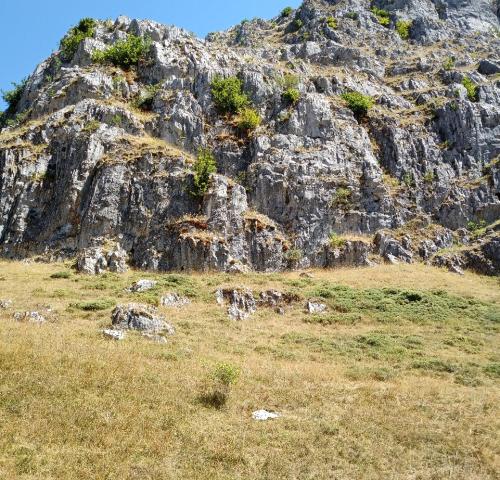
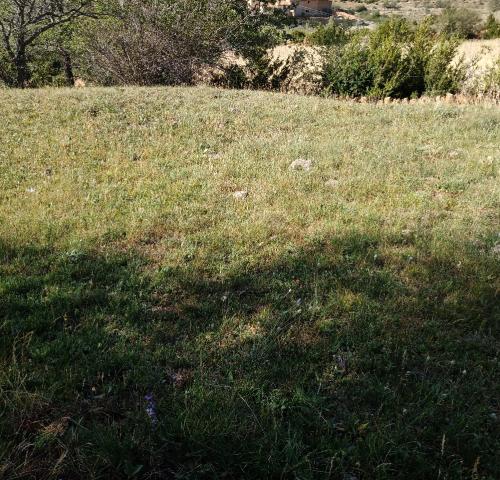
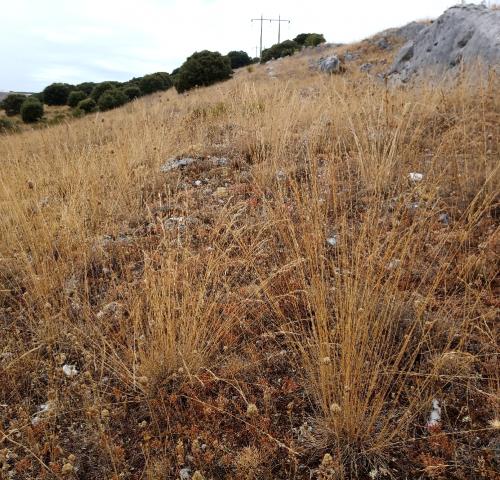
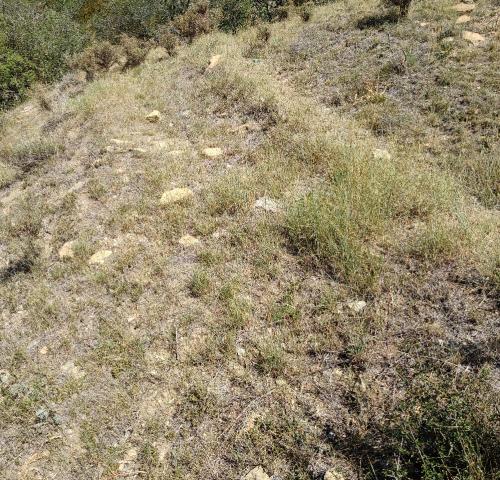
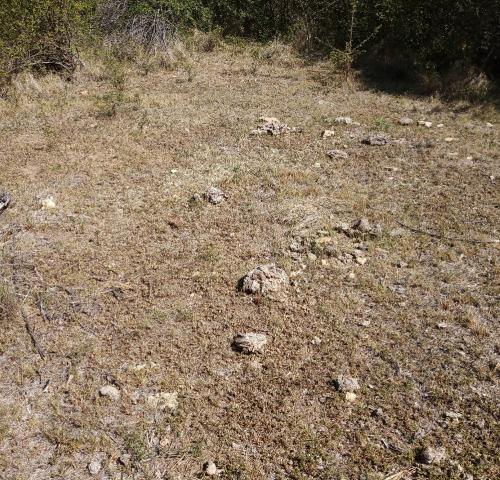
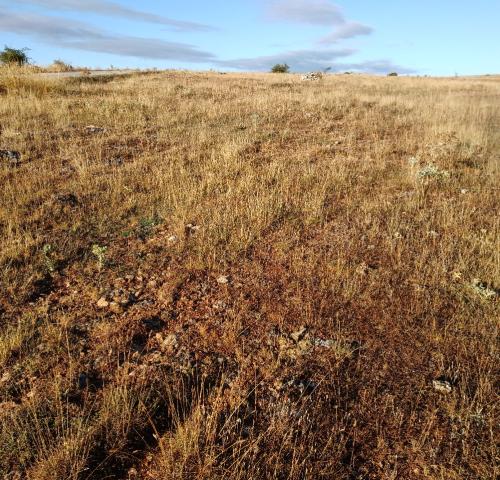
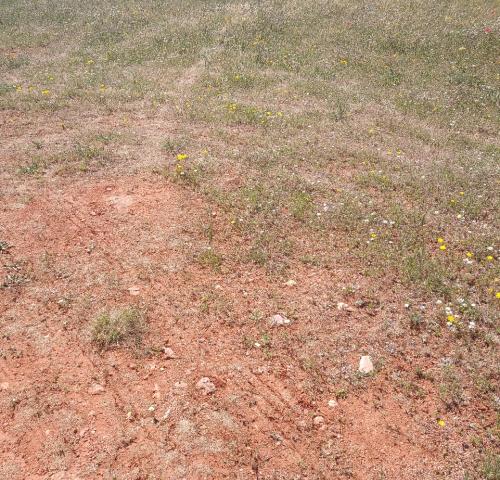
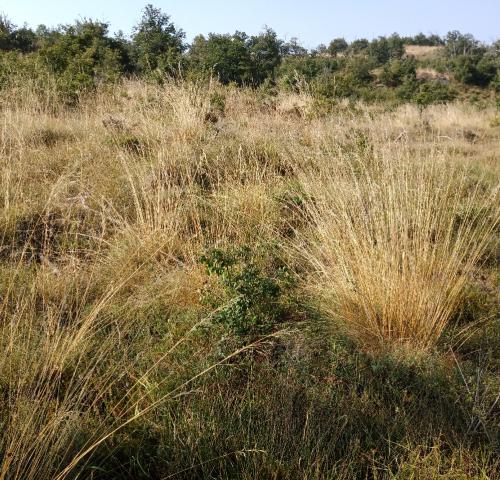
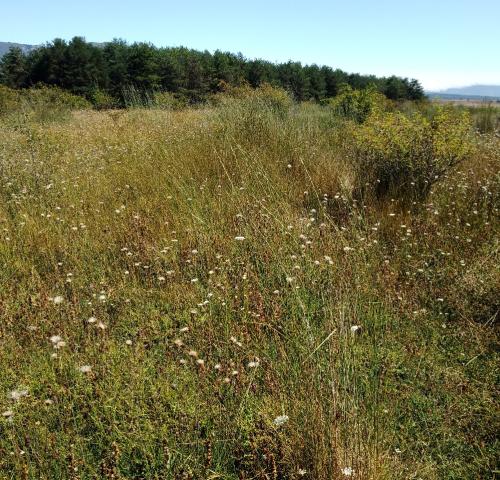
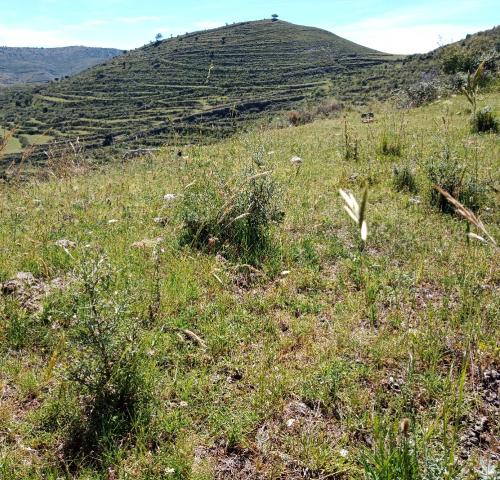
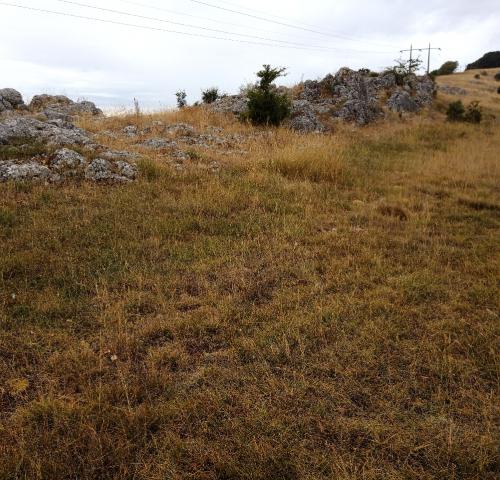
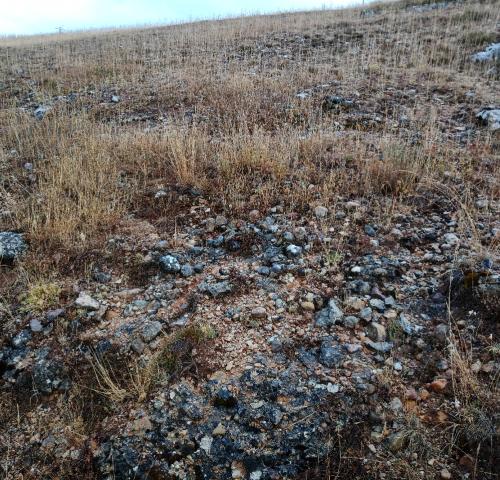
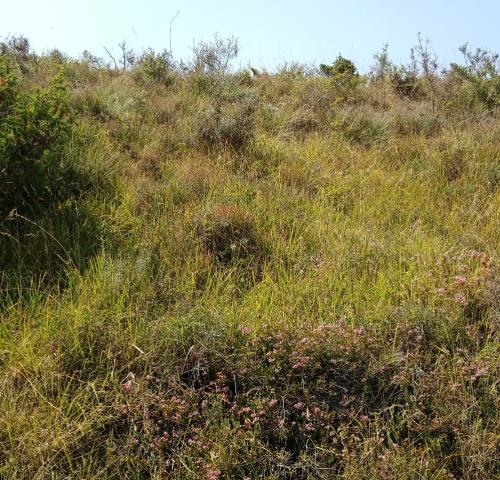
6210 - Prados secos semi-naturales y facies de matorral sobre sustratos calcáreos (Festuco-Brometalia) (*parajes con notables orquídeas)
Ámbito: Terrestre (incl. fluvial) identificador: 6210
Nombre original EUR28
6210 - Semi-natural dry grasslands and scrubland facies on calcareous substrates (Festuco-Brometalia) (* important orchid sites)Descripción original en inglés (EUR28)
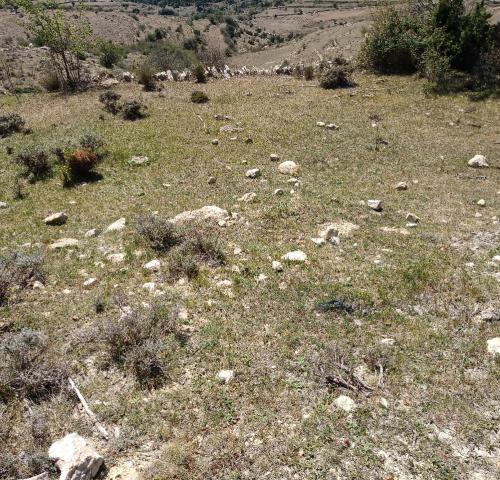
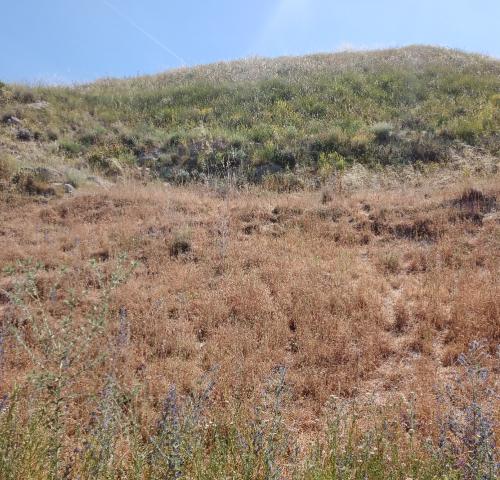
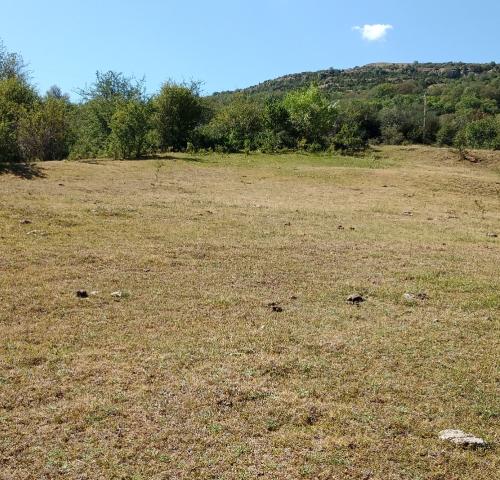
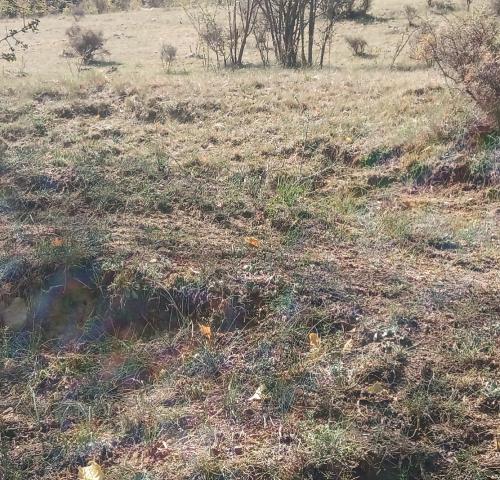
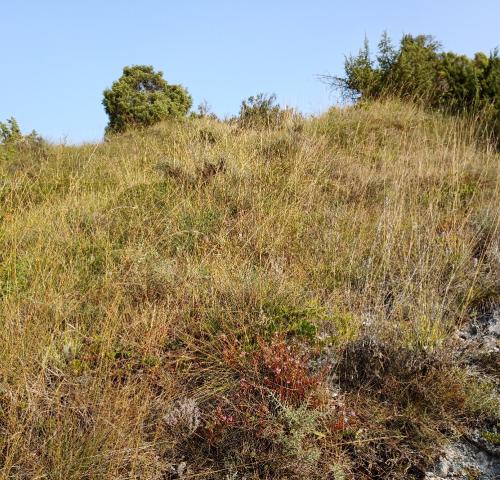
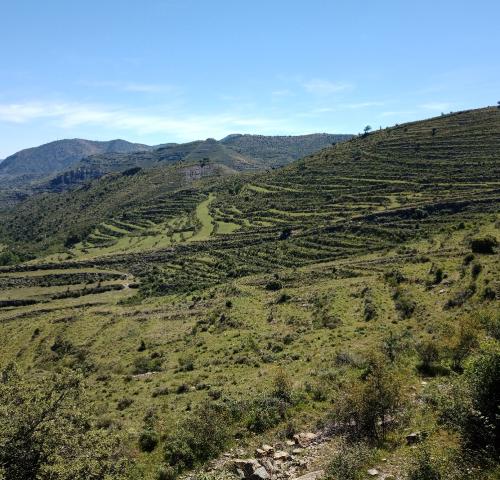
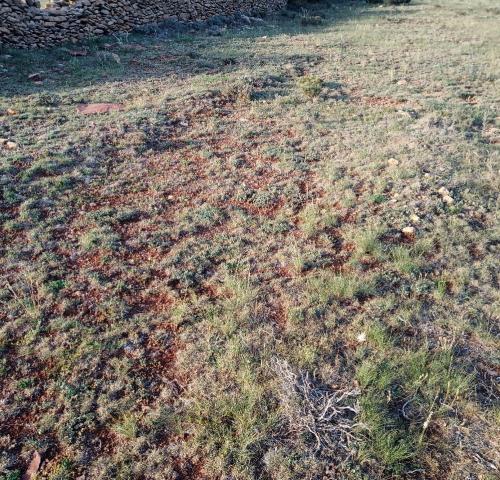
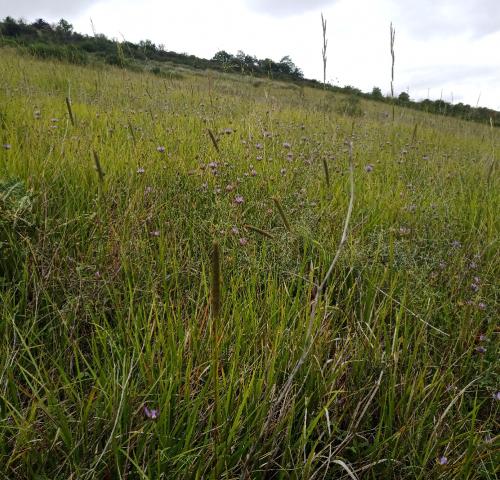
Dry to semi-dry calcareous grasslands of the Festuco-Brometea. This habitat is formed on the one hand by steppic or subcontinental grasslands (Festucetalia valesiacae) and, on the other, by the grasslands of more oceanic and sub-Mediterranean regions (Brometalia erecti), in the latter case, a distinction is made between primary Xerobromion grasslands and secondary (semi-natural) Mesobromion grasslands with Bromus erectus, the latter are characterised by their rich orchid flora. Abandonment results in thermophile scrub with an intermediate stage of thermophile fringe vegetation (Trifolio-Geranietea). Important orchid sites should be interpreted as sites that are important on the basis of one or more of the following three criteria: (a) the site hosts a rich suite of orchid species (b) the site hosts an important population of at least one orchid species considered not very common on the national territory (c) the site hosts one or several orchid species considered to be rare, very rare or exceptional on the national territory.Especies presentes (EUR28)
Correspondencias con otras clasificaciones (EUR28)
French classification: 34.31 - Subcontinental (Euro-Siberian and eastern) grasslands of the inner Alps stretching perhaps to Alsace (Stipo capillatae-Festucenea valesiacae Gaultier 89 prov.), 34.32 - Sub-Atlantic xerocline calcicolous grasslands [Mesobromenalia erecti Royer 87 (IX 212: Brometalia erecti Br-Bl. 36)], 34.33 - Sub-Atlantic xerophile calcicolous grasslands (Xerobromenalia erecti Royer 87), 34.34 - Central European calcareo-siliceous grasslands generally established on hyperxerothermophile sands, partly denuded (Koelerio macranthae-Phleion phloeidis Korneck 74 (Koelerio macranthae-Phleenalia phloeidis (Korneck 74) Royer 87).
German classification: 340101 submediterraner Trockenrasen auf karbonatischem Unterground, 34020301 subkontinentaler Halbtrockenrasen auf karbonatischem Boden, gemäht, 34020102 submediterraner Halbtrockenrasen auf karbonatischem Boden, beweidet Mähweide, 34020103 submediterraner Halbtrockenrasen auf karbonatischem Boden, brachgefallen, 340103 subkontinentaler Trockenrasen auf karbonatischem Untergrund, 34020101 submediterraner Halbtrockenrasen auf karbonatischem Boden, gemäht, 34020302 subkontinentaler Halbtrockenrasen auf karbonatischem Boden, beweidet Mähweide, 34020303 subkontinentaler Halbtrockenrasen auf karbonatischem Boden, brachgefallen, 3403 natürlicher Steppenrasen (kontinental, auf tiefgründigem Boden).
United Kingdom classification: CG1 Festuca ovina-Carlina vulgaris grassland, CG2 Festuca ovina-Avenula pratensis grassland, CG3 Bromus erectus grassland, CG4 Brachypodium pinnatum grassland, CG5 Bromus erectus-Brachypodium pinnatum grassland, CG6 Avenula pubescens grassland, CG7 Festuca ovina-Hieracium pilosella-Thymus praecox/pulegioides grassland, CG8 Sesleria albicans-Scabiosa columbaria grassland, CG9 Sesleria albicans-Galium sterneri grassland.
Bibliografía (EUR28)
Albertsson, N. (1950). Das grosse südliche Alvar der Insel Öland. Eine Pflanzensoziologische Übersicht. Sven. Bot. Tidskr. 44:269-331.| TIPO DE RELACIÓN | CÓDIGO LPEH | NOMBRE LPEH | OBSERVACIONES |
|---|---|---|---|
| Contiene a (>) | R18 | Pastos dominados por especies perennes no graminoides en afloramientos rocosos calcáreos subatlánticos o submediterráneos | Sin observaciones |
| Solapa parcialmente con (#) | R1A | Pastos dominados por especies perennes, graminoides y no graminoides, calcícolas | Sin observaciones |
| Contiene a (>) | R1A3 | Pastos perennes dominados por gramíneas, calcícolas, mesoxerófilos a mesófilos, subatlánticos o submediterráneos | Sin observaciones |
| Contiene a (>) | R1A32 | Pastos perennes calcícolas, mesoxerófilos a mesófilos, subatlánticos, caracterizados por Bromus erectus | Sin observaciones |
| Contiene a (>) | R1A32J | Pastos perennes calcícolas, mesoxerófilos a mesófilos, subatlánticos, caracterizados por Bromus erectus, del Pirineo occidental | Sin observaciones |
| Contiene a (>) | R1A32K | Pastos perennes calcícolas, mesoxerófilos a mesófilos, subatlánticos, dominados por Brachypodium pinnatum s.l. o Bromus erectus, de la Cordillera Cantábrica y montes vascos | Sin observaciones |
| Contiene a (>) | R1A33 | Pastos perennes calcícolas, mesoxerófilos, medioeuropeos dominados por Brachypodium pinnatum s.l. | Sin observaciones |
| Contiene a (>) | R1A36 | Pastos perennes calcícolas, mesófilos, submediterráneos, caracterizados por Bromus erectus | Sin observaciones |
| Contiene a (>) | R1A4 | Pastos perennes calcícolas, xerófilos, subatlánticos o submediterráneos | Sin observaciones |
| Contiene a (>) | R1A42 | Pastos perennes calcícolas, xerófilos, subatlánticos o submediterráneos, de óptimo medioeuropeo | Sin observaciones |
| Contiene a (>) | R1A42G | Pastos perennes calcícolas, xerófilos, subatlánticos o submediterráneos, de los Pirineos y su entorno | Sin observaciones |
| Contiene a (>) | R1A42J.ES | Pastos perennes calcícolas, xerófilos, subatlánticos o submediterráneos, del Sistema Ibérico | Sin observaciones |
| Contiene a (>) | R1A42K.ES | Pastos perennes calcícolas, xerófilos, subatlánticos, cantábricos | Sin observaciones |